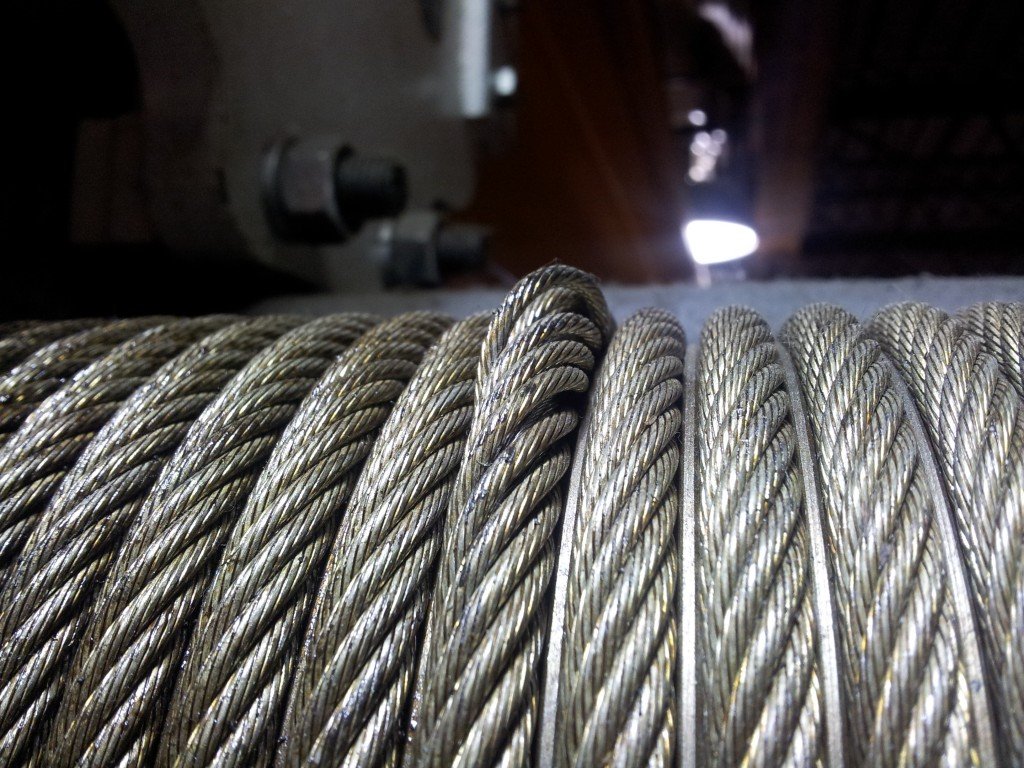
Electromagnetic Wire Rope Inspection: NDT / MRT for Cranes
For reliability engineers and inspection planners deciding when specialist internal rope examination is justified and how its report should be used.
Quick Answer
Electromagnetic wire rope inspection, also called magnetic rope testing or MRT, is useful when visual inspection may miss internal broken wires, corrosion, or loss of metallic area. It is most valuable for high-duty cranes, critical lifts, corrosive environments, old ropes, and ropes with suspicious visual symptoms.
Visual inspection is still mandatory, but it has limits. A rope can look acceptable externally while losing metallic area internally due to corrosion, hidden broken wires, or core deterioration. Electromagnetic inspection adds a second layer of evidence.
What Electromagnetic Inspection Can Detect
| Detection Area | Meaning | Why It Matters |
|---|---|---|
| Localized flaws | Signals from local defects such as broken wires. | Can reveal damage not visible around the full rope circumference. |
| Loss of metallic area | Reduction in steel cross-section due to wear or corrosion. | Shows strength loss that may not be obvious visually. |
| Internal corrosion | Deterioration inside rope or core area. | Important in outdoor, humid, chemical, or dusty environments. |
| Trend changes | Worsening rope condition over repeated tests. | Helps plan replacement before failure risk becomes urgent. |
When to Specify NDT / MRT
- Critical production cranes where failure cost is very high.
- High-duty cranes with frequent lifting cycles.
- Outdoor cranes, corrosive plants, ports, steel, cement, chemical, or dusty environments.
- Old ropes with uncertain inspection history.
- Ropes showing diameter reduction, corrosion, broken wires, or abnormal behavior.
- Sites where safety policy requires periodic third-party inspection.
How to Use NDT Reports
An NDT report should not be filed away without action. It should be compared with visual inspection, ISO 4309/site discard criteria, rope certificate, duty history, and previous readings. If the report shows serious localized flaws or loss of metallic area, the decision should be documented: continue, monitor, shorten inspection interval, repair related equipment, or replace rope.
Limitations
- NDT does not replace visual inspection of kinks, crushing, birdcaging, terminations, and drum winding.
- Results depend on equipment, calibration, rope access, speed, and technician competence.
- The plant still needs clear discard criteria and a responsible person to approve action.
FAQ
Is MRT the same as electromagnetic wire rope inspection?
In practical maintenance language, MRT usually means magnetic rope testing, a form of electromagnetic rope inspection used to detect localized flaws and loss of metallic area.
Should every crane rope get NDT?
Not necessarily. It is most valuable where rope failure consequence is high, visual inspection cannot give enough confidence, or the rope operates in severe duty or corrosive conditions.
Next Action: Define the MRT Scope
Give the inspection provider the rope identity, construction, accessible test length, operating history and suspected damage; require a report that separates localized flaws, loss of metallic area, limitations and recommended follow-up.