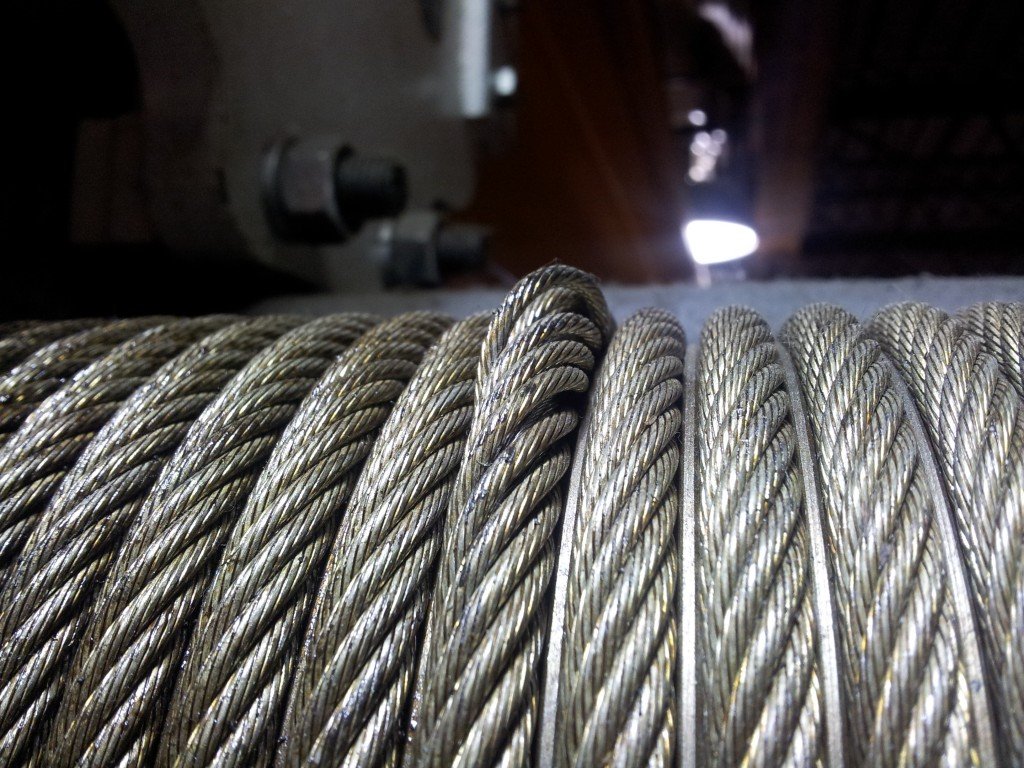
Wire Rope Inspection Checklist for Cranes and Hoists
Quick Answer
A crane wire rope inspection checklist should include broken wires, diameter reduction, corrosion, lubrication, kinks, birdcaging, crushed strands, drum winding, sheave grooves, end terminations, abnormal rope movement, and inspection records. Stop using the rope immediately if any serious rejection condition is found.
Wire rope inspection is not just a maintenance formality. The rope carries the lifted load and is exposed to bending, abrasion, fatigue, corrosion, and shock loading. A good checklist helps operators and inspectors catch defects before they become dropped-load risks.
Daily Visual Wire Rope Inspection Checklist
Daily checks are usually quick visual checks performed before or during crane use. They are not a replacement for competent periodic inspection, but they catch obvious defects early.
- Look for visible broken wires, especially clustered breaks.
- Check for kinks, birdcaging, crushing, flattening, waviness, or strand looseness.
- Check corrosion, red dust, dry rope, missing lubrication, or dirt packing.
- Observe rope movement on the drum and sheaves during slow operation.
- Check whether rope spools correctly on the drum without crossing or crushing.
- Listen for abnormal noise from sheaves, drum, or rope path.
- Report any rope damage before lifting a production load.
Periodic Hoist Rope Inspection Checklist
| Inspection Area | What to Check | Why It Matters |
|---|---|---|
| Rope body | Broken wires, wear, corrosion, lubrication, deformation, and diameter reduction. | Shows fatigue, loss of strength, and replacement risk. |
| Drum winding | Cross winding, crushing, rope pile-up, slack wraps, and poor fleet angle symptoms. | Bad winding can damage a new rope quickly. |
| Sheaves | Groove wear, sharp edges, correct groove fit, bearing condition, and rope alignment. | Sheave defects accelerate broken wires and diameter loss. |
| End terminations | Wedge sockets, clamps, thimbles, swages, dead ends, and anchorage points. | Terminations are high-risk locations for rope failure. |
| Hook block | Sheave rotation, side plates, rope guard, equalizer, and rope seating. | Rope damage often appears first around moving sheaves. |
| Records | Rope ID, installation date, inspection date, defects, measurements, and action taken. | Trend records reveal deterioration before failure. |
When to Stop Using the Rope Immediately
- Severe kink, birdcaging, crushed strands, or core protrusion.
- Broken wire cluster or broken wires near termination.
- Heavy corrosion, pitting, or signs of internal corrosion.
- Sudden or local diameter reduction.
- Heat damage, blue discoloration, burned lubricant, or known fire exposure.
- Damaged wedge socket, clamp, swage, thimble, or anchorage.
- Unusual rope movement, slipping, jumping sheaves, or abnormal drum winding.
What to Record in a Wire Rope Inspection Log
A wire rope inspection log makes replacement decisions easier and protects the plant from vague memory-based maintenance. Each inspection should record:
- Crane ID, hoist ID, rope ID, rope size, construction, and installation date.
- Inspection date, inspector name, and inspection method.
- Broken wire count, location, and inspection length.
- Diameter readings and measurement locations.
- Photos of defects, if found.
- Condition of drum, sheaves, hook block, and terminations.
- Decision: continue, monitor, repair related issue, call NDT, or replace rope.
When to Use NDT or Electromagnetic Wire Rope Inspection
Use NDT or electromagnetic rope inspection when visual inspection may not be enough. This is especially relevant for high-duty cranes, critical lifts, corrosive environments, old ropes, ropes with suspected internal corrosion, and sites where failure consequence is high.
Electromagnetic inspection can detect loss of metallic area and localized internal flaws. It should support, not replace, competent visual inspection. For the deeper buyer/maintenance view, read the NDT and electromagnetic wire rope inspection guide.
FAQ
Is daily visual inspection enough?
No. Daily checks are useful, but they must be supported by periodic competent inspection and documented rejection criteria.
Should operators inspect wire rope?
Operators can perform pre-use visual checks and report obvious damage. Formal rejection decisions should be made by a competent person.
What is the most common wire rope inspection mistake?
The most common mistake is checking only the visible hanging rope and ignoring drum layers, sheaves, terminations, diameter measurement, and inspection records.
Related Wire Rope Resources
Use these together: the checklist for inspection workflow, the ISO 4309 page for rejection criteria, and the buying toolkit when replacing rope.